
Games
For generations, Africans have enjoyed playing games that fostered social cohesion from when they were young.
GAMES
The introduction of interesting technologies and entertainment that is available with smartphones have become a large part of our lives in the past few decades. Smartphones have the ability to perform almost every operation necessary for individuals at any time or place, often at the cost of human interaction and relationships.
Cellular phones have taken away the more personal conversations and engagements that we used to enjoy before they transformed from a luxury to a necessity. Now, the problem most individuals face with smartphones is that they are no longer able to hold face-to-face conversations or communicate effectively in person. This device has even invaded the dinner table and religious gatherings.
As a social species, we rely on social interactions to feel connected to others and to make sense of our place in the world. In fact, research has shown that social contact with others is important for both our mental and physical wellbeing. Studies show that people who have strong social connections tend to have lower rates of depression and anxiety and are more resilient to stress.
Indigenous African games have proven to represent more than mere physical activities; they embody centuries of tradition, heritage, and communal values in a continent as diverse and culturally rich as ours. The games can be effectively used to promote social cohesion, promote intercultural understanding and tolerance amongst participants, laying the groundwork for a more harmonious society.
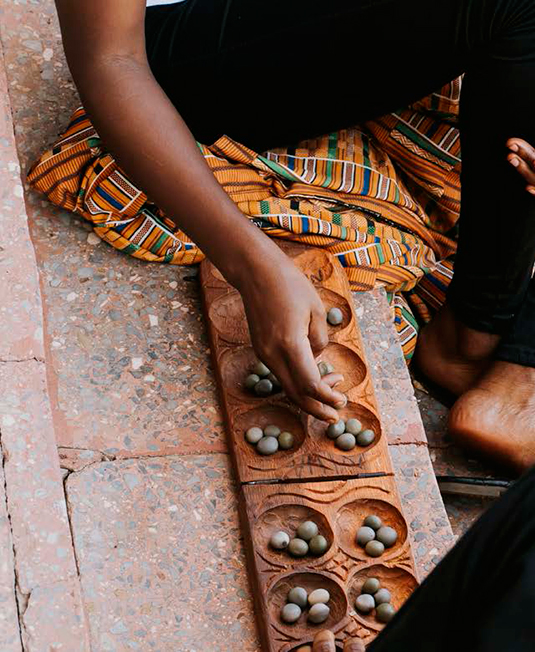
Traditional games are deeply rooted in local cultures and histories, and possess unique characteristics that make them effective instruments for social transformation. For instance, Morabaraba has proven to provide lessons in strategy, conflict resolution and fostering bonds.
A concerted effort needs to be made to resuscitate these games which hitherto had been relegated to the dustbin of history, thereby availing its citizens and communities the opportunity to enjoy the range of material and symbolic benefits whilst celebrating the country’s rich history, heritage and culture.
Our strategy is to use these classic games to teach children about their societies and the importance social connections can have on our mental wellbeing. We are of the belief that these games can improve cardiovascular health, boosting the immune system and brain function. All these health benefits can alleviate the scourge of depression and loneliness that has become part of our society.
The Heritage Library will collect and categorise the games, document the individual rules and accessories to be used. Our cartoon characters will engage in these games in a fun and healthy routine, inviting to the target audience to participate in this recreational exercise.
Cellular phones have taken away the more personal conversations and engagements that we used to enjoy before they transformed from a luxury to a necessity. Now, the problem most individuals face with smartphones is that they are no longer able to hold face-to-face conversations or communicate effectively in person. This device has even invaded the dinner table and religious gatherings.
As a social species, we rely on social interactions to feel connected to others and to make sense of our place in the world. In fact, research has shown that social contact with others is important for both our mental and physical wellbeing. Studies show that people who have strong social connections tend to have lower rates of depression and anxiety and are more resilient to stress.
Indigenous African games have proven to represent more than mere physical activities; they embody centuries of tradition, heritage, and communal values in a continent as diverse and culturally rich as ours. The games can be effectively used to promote social cohesion, promote intercultural understanding and tolerance amongst participants, laying the groundwork for a more harmonious society.
Traditional games are deeply rooted in local cultures and histories, and possess unique characteristics that make them effective instruments for social transformation. For instance, Morabaraba has proven to provide lessons in strategy, conflict resolution and fostering bonds.
A concerted effort needs to be made to resuscitate these games which hitherto had been relegated to the dustbin of history, thereby availing its citizens and communities the opportunity to enjoy the range of material and symbolic benefits whilst celebrating the country’s rich history, heritage and culture.
Our strategy is to use these classic games to teach children about their societies and the importance social connections can have on our mental wellbeing. We are of the belief that these games can improve cardiovascular health, boosting the immune system and brain function. All these health benefits can alleviate the scourge of depression and loneliness that has become part of our society.
The Heritage Library will collect and categorise the games, document the individual rules and accessories to be used. Our cartoon characters will engage in these games in a fun and healthy routine, inviting to the target audience to participate in this recreational exercise.
“You lose nothing when you fight for a cause…in my mind the losers are those who don’t have a cause they care about”
~ Muhammad Ali
Through this practice, we aim to achieve the following objectives:
Campaign for the incorporating of indigenous sports and games into school
curricula. We believe this can promote intercultural understanding and
tolerance from an early age, laying the groundwork for a more harmonious
environment.
The games are crucial in instilling positive attitude and values, improving fitness and health and as sources of fun.
Our parents enjoyed playing these games and our generation has a duty to ensure that they are not lost, so that future generations can enjoy them as well. These skills are learnt at an early age and maintained throughout adulthood.
By encouraging behaviour that removes eyeballs from the cellular phones, recreation and relaxation will be achieved. Also, the games can foster a level of group identity and serving as a medium through which the community values, traditions and culture are reinforced and preserved.
Heritage Library is attempting to answer the call for the digitisation and formalisation of such games. This quest can usher in the revival of these cultural activities and instigate a particular appeal to vast sectors of the South African society, particularly the traditional rural people.
Because sport and recreation activities are predominantly practised in urban areas and are largely Euro-centric, the revival of indigenous games is essential in order to get more South Africans, more interactive, for most of the time.
The games are crucial in instilling positive attitude and values, improving fitness and health and as sources of fun.
Our parents enjoyed playing these games and our generation has a duty to ensure that they are not lost, so that future generations can enjoy them as well. These skills are learnt at an early age and maintained throughout adulthood.
By encouraging behaviour that removes eyeballs from the cellular phones, recreation and relaxation will be achieved. Also, the games can foster a level of group identity and serving as a medium through which the community values, traditions and culture are reinforced and preserved.
Heritage Library is attempting to answer the call for the digitisation and formalisation of such games. This quest can usher in the revival of these cultural activities and instigate a particular appeal to vast sectors of the South African society, particularly the traditional rural people.
Because sport and recreation activities are predominantly practised in urban areas and are largely Euro-centric, the revival of indigenous games is essential in order to get more South Africans, more interactive, for most of the time.
COLLABORATE WITH
HERITAGE LIBRARY
Although we already have a vast collection of literature, we would like your help. If you are a scholar, student or professor, please register and share your studies, stories and knowledge with us so we may preserve it for the future.
To read more about how you can become part of Heritage Library click on the learn more link.